
Tennis: A Journey from Medieval Courts to Modern Arenas
Tennis, a sport adored by millions around the world, has a rich and intriguing history that spans centuries. From its origins in medieval Europe to its status as a globally celebrated sport, tennis offers more than just athletic competition; it’s a tapestry of cultural evolution, remarkable players, and fascinating traditions.
A Historical Glimpse
The roots of tennis trace back to the monastic cloisters of northern France in the 12th century. Initially known as “jeu de paume” (game of the palm), the sport was played without racquets, using hands to hit the ball. By the 16th century, racquets were introduced, giving rise to the game we recognize today as tennis. The modern version of the sport, lawn tennis, is attributed to Major Walter Clopton Wingfield, who, in the 1870s, codified the game’s rules and popularized its play on grass courts.
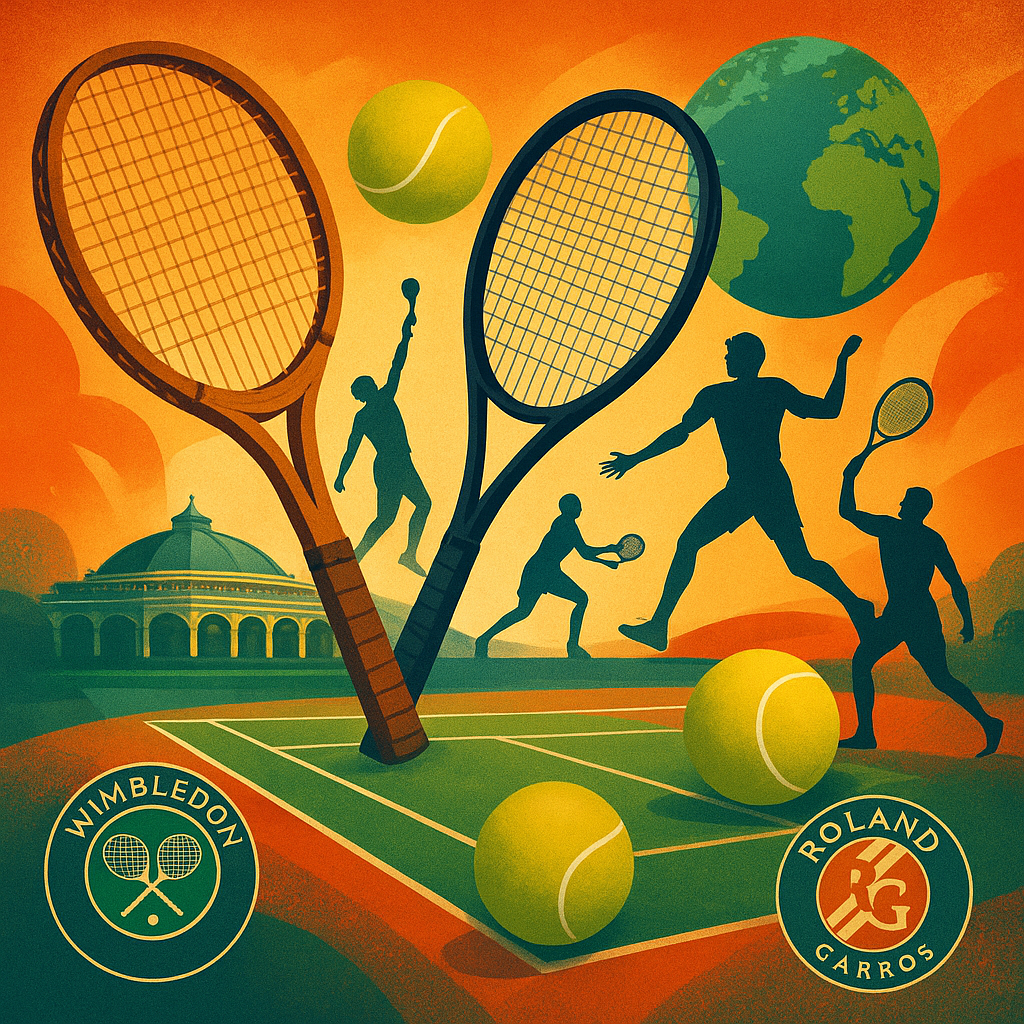
Wimbledon, the oldest tennis tournament, first played in 1877, exemplifies the sport’s deep heritage. Despite the passage of time, Wimbledon has retained its unique traditions, such as the all-white dress code for players and the omnipresence of strawberries and cream enjoyed by fans.
The Evolution and Cultural Impact
Tennis has undergone significant transformations while maintaining its timeless essence. The introduction of Open Era in 1968 allowed both amateurs and professionals to compete together, paving the way for some of the most iconic matches and rivalries in sports history. The ATP and WTA tours have since expanded tennis’s reach, with players competing worldwide on surfaces ranging from clay to grass and hard courts.
This global spectacle has become synonymous with grand arenas like Roland Garros, known for its red clay, and the hard courts of the US Open, famous for vibrant night matches. The sport has not only been a platform for athletes but a canvas for cultural moments, like Billie Jean King’s victory against Bobby Riggs in the “Battle of the Sexes.”
Players Who Defined Eras
The history of tennis is rich with legendary figures whose achievements have carved their names into the annals of the sport. Arthur Ashe, the first African American to win the US Open, not only changed tennis but also contributed to society with his activism. In the Open Era, players like Bjorn Borg, John McEnroe, and Chris Evert brought new levels of competition and flair to the game.
Today’s tennis greats, such as Roger Federer, Serena Williams, Rafael Nadal, and Novak Djokovic, continue to push the boundaries of what’s possible on the court, captivating new generations with their skill, dedication, and sportsmanship.
The 2023 Season: A Year to Remember
The 2023 tennis season was filled with unforgettable moments. Novak Djokovic, at the age of 36, demonstrated age-defying mastery, capturing his 24th Grand Slam title at the US Open and reinforcing his legacy as one of the greatest tennis players. Iga Swiatek, on the WTA side, showcased her dominance with six titles, including her third French Open triumph.
The year also spotlighted rising stars like Coco Gauff, who clinched her first Grand Slam at the US Open, and Carlos Alcaraz, who secured a dramatic Wimbledon title in a blockbuster final against Djokovic. These young talents signify tennis’s bright future and the ongoing evolution of the sport.
Interesting Tidbits and Lesser-Known Facts
Tennis is rich with quirky traditions and intriguing facts. Did you know that the fastest recorded serve is by Samuel Groth at a blazing 163.4 mph? Or that the longest match in tennis history, an 11-hour duel between John Isner and Nicolas Mahut at Wimbledon, showcased the sport’s relentless endurance and mental fortitude?
The word “tennis” itself finds its origins in the French word “tenez,” a call used by servers indicating players to be ready to receive the ball. Scoring in tennis is uniquely fascinating too—the term “love” (meaning zero) is believed to originate from the French word for egg, “l’œuf,” symbolizing the shape of a zero.
Conclusion: A Sport for Eternity
As tennis continues to grow, embracing innovations like electronic line calling and promoting inclusivity with events like wheelchair tennis, it remains a sport that combines the dignity of tradition with the thrill of modern athleticism. Whether you’re inspired by its storied past or eagerly following its current stars, tennis offers something for everyone—a testament to its enduring appeal and global significance.
