
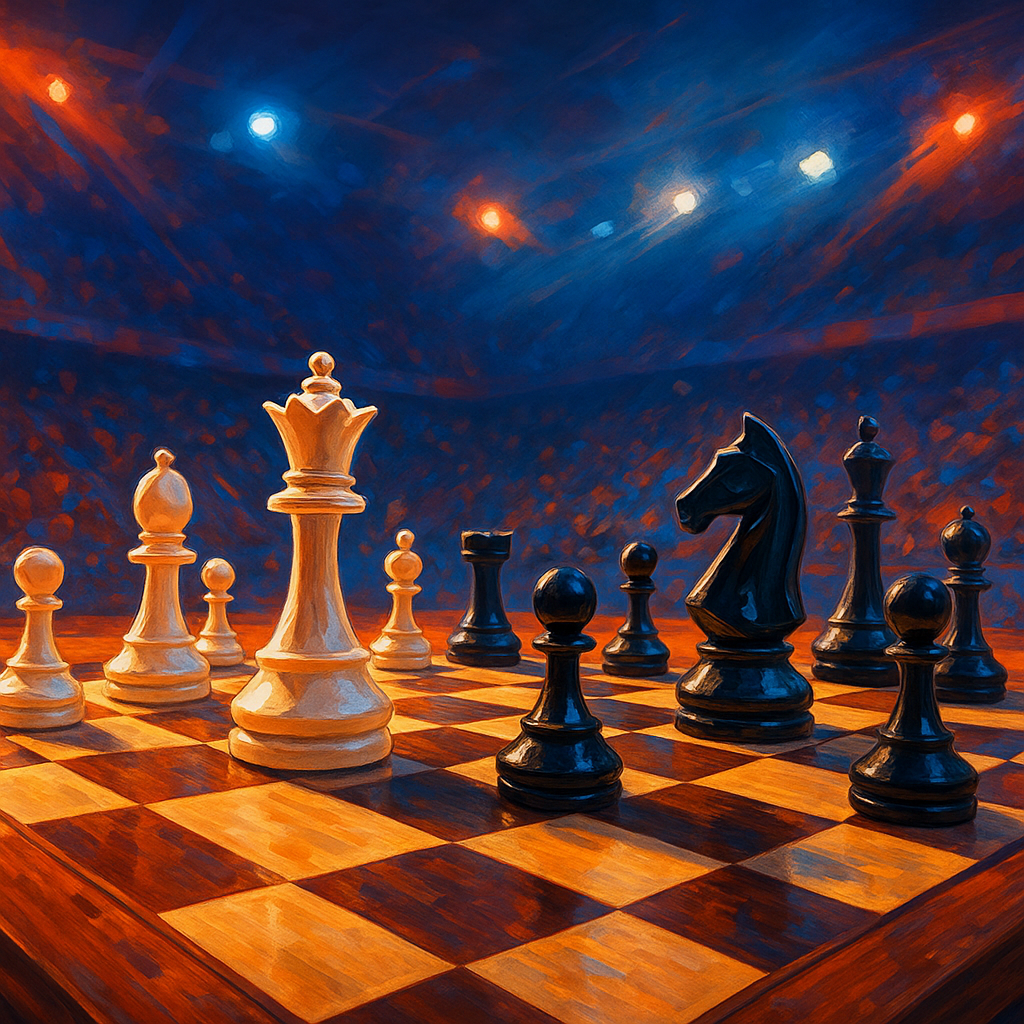
The Strategic Depth of Chess
Chess, often dubbed the “game of kings,” is a strategic battlefield where two minds engage in a contest of wits, foresight, and strategic acumen. Strategy in Chess is an unfolding art that reflects not just in the deployment of pieces but in the anticipation of the opponent’s moves and the crafting of a long-term plan. The game demands a deep understanding of various strategies, from the careful orchestration of openings to the subtle maneuvers in the middle game and the precision of endgames.
One pivotal strategy chess ingrains in its players is positional understanding. Unlike tactics, which are short-term calculations, positional play involves the holistic evaluation of the chessboard. The control over key squares, utilization of pawn structures, and establishment of piece activity constitute the core of chess strategy. Players like Anatoly Karpov have been lauded for their exceptional grasp of positional strategies, consistently frustrating their opponents by converting tiny advantages into victories.
Chess Across Cultures
Chess serves as a cultural bridge, uniting diverse societies under the common language of 64 squares. From the medieval courts of Persia to the bustling cafes of Paris and the grand stages of international tournaments, chess has transcended boundaries and epochs. The contribution of chess to cultural exchange is unparalleled.
The game originated in India as Chaturanga, reflecting the strategic warfare of the Indian army. Over centuries, it traveled through Persia, evolved into Shatranj, and made its way to Europe, where it catalyzed intellectual discourse during the Renaissance. The cultural renaissance in Europe was much akin to its chess revolution, with figures like Ruy Lopez and later, Paul Morphy, pushing the boundaries of chess thought.
Chess and Modern Society
In modern times, chess has surged in popularity, influencing both educational systems and popular culture. Schools worldwide have incorporated chess into their curriculums, recognizing its ability to enhance cognitive abilities such as critical thinking, problem-solving, and concentration. The strategic nature of the game is seen as fitting training for young minds, offering lessons that extend beyond the board.
Culturally, chess is celebrated in movies, literature, and art, reflecting its rich history and strategic depth. The recent Netflix series “The Queen’s Gambit” depicts the psychological and cultural dimensions of chess, sparking a renewed global interest in the game. This resurgence mirrors society’s recognition of the timeless allure that chess commands.
Conclusion
Chess is more than a mere pastime. It is a strategic pursuit and a cultural phenomenon that connects history with modernity, intellect with creativity. As the game continues to evolve, it retains an enduring legacy, shaping minds and cultures across the globe. A celebration of chess is, therefore, a celebration not only of strategy but of its profound cultural resonance throughout history.
