
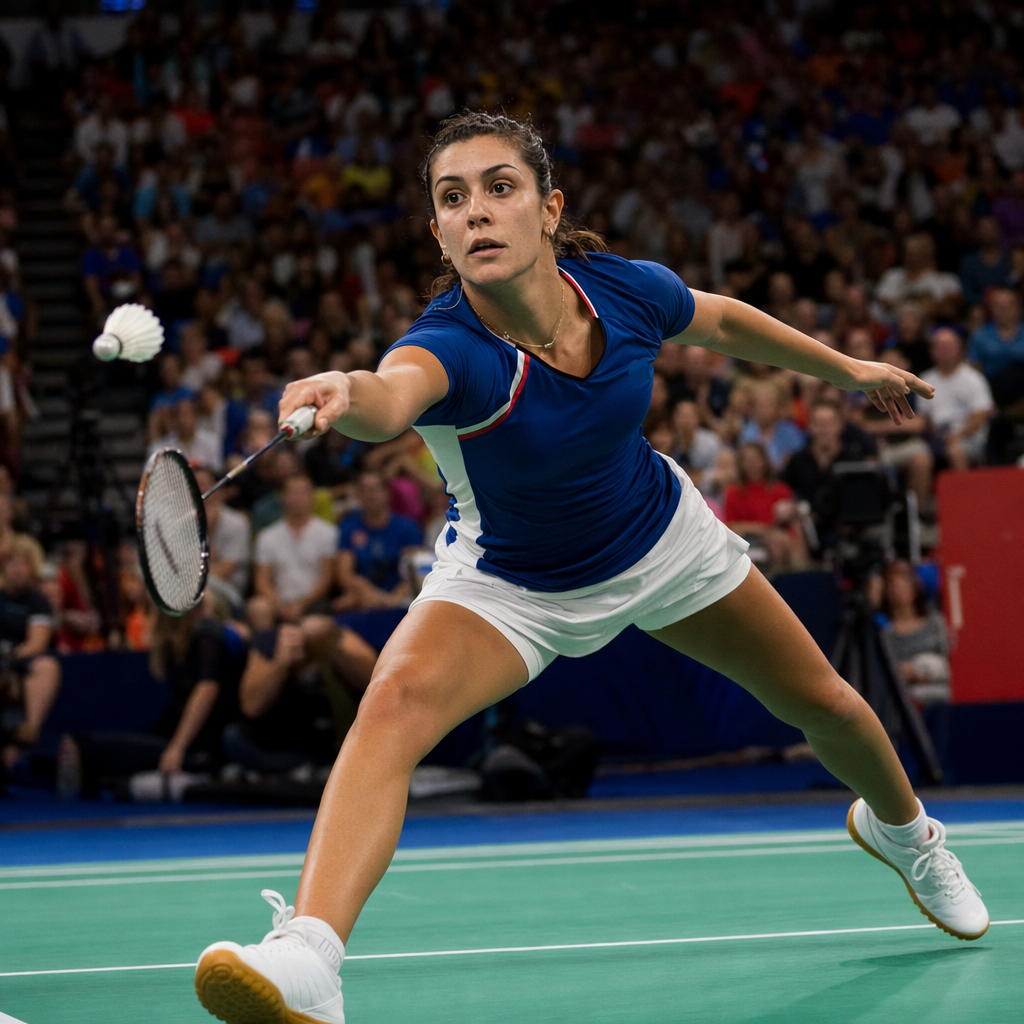
PV Sindhu’s Japan Open 2026 title run did more than add another trophy to her cabinet—it ended a two-year wait for a major title and made her the first Indian ever to win the Japan Open. While the comeback was built on training, diet and discipline, the NDTV report highlights an unlikely catalyst behind her resurgence: a “cryptic remark” from Virat Kohli that helped Sindhu reframe her approach when she was struggling for form.
Sindhu, searching for answers during a difficult patch, approached Kohli to ask how he coped during the period when he was trying to end a long wait for a century. Kohli’s response, as described in the report, was simple and direct—he focused on rediscovering the joy of scoring runs. For Sindhu, that idea became a reset button: the joy of playing badminton had to be rebuilt.
How Kohli’s message became a practical reset for Sindhu
The report details how the “joy” message was turned into a concrete plan after Sindhu was advised by her doctor to take a three-month break following a snapped toe ligament. Her husband, Venkata Datta Sai, took her to Atlanta, with the aim of giving her a mental break amid burnout concerns and growing questions around her form.
Datta, speaking in an interview with the Indian Express as cited by NDTV, explained how Kohli’s words stayed with him and shaped the approach in Atlanta. “We had to rebuild her joy,” Datta said. “Virat’s words kept ringing in my head.”
In Atlanta, Sindhu trained at Exos Sports Performance facility with three trainers named Wayne, Tim and Rayan. Datta described a family-led routine that supported rehab and strengthening, including daily drives to the facility for three weeks. The goal, as he explained, was to rekindle Sindhu’s love for the sport in an environment where she wasn’t treated as a star but as a regular person.
That emotional and mental reset was paired with a broader structure around her. According to the report, Sindhu’s resurgence was built on stability, with every member of her 13-person team playing a crucial role in the comeback.
Sports science, data and the specifics behind the turnaround
Beyond the mindset shift, the report points to sports science as a major driver of Sindhu’s return to top form. Datta said that after the Paris Olympics, the team pulled data that revealed two key issues affecting her performances.
First, her attacking mindset had dipped. Datta explained that Sindhu was increasingly having to rely on a second, third or fourth attack in a rally to win points against top players, which also increased her risk of errors. Second, her line judgements had risen sharply: where she used to make only two line judgements per match earlier, that number had increased to six. Datta described it as her “hoping” to get easy points—an indicator, in their assessment, of a shift away from assertive decision-making.
These insights mattered because they offered specific, measurable targets to address—helping the team move from general concerns about form to actionable corrections in approach and decision-making.
Diet, team support and the moment it came together in Tokyo
The report also underlines how diet and conditioning were treated as performance levers in the build-up to Japan Open 2026. On the advice of her coaching staff, Sindhu lost 3.5 kg ahead of the tournament. Chicken was highlighted as a staple protein source during this phase, reflecting a structured approach to nutrition alongside the training load.
All of that preparation culminated in a title that carried both historic and personal significance. Datta revealed that the support group’s emotions spilled over at the finish line, saying everyone was moved to tears when Sindhu defeated Akane Yamaguchi in the final to win the Japan Open crown.
For Sindhu, the Japan Open 2026 win stands as a statement that her comeback was not built on a single change, but on a layered rebuild—mindset, rehab, sports science, nutrition and a large support team working in sync. Yet, at the centre of the story is a simple idea she borrowed from another sport: when results and pressure cloud the process, returning to the joy of the craft can be the first step back to winning.